
A used BMW, Mercedes-Benz, Audi or Porsche can be a great buy — or an expensive surprise. A pre-purchase inspection (PPI) by a shop that knows European cars is the best way to find out which before you sign.
Key takeaways
- A PPI is an independent check of a car you’re thinking about buying.
- European cars have model-specific weak spots that a specialist knows to look for.
- The findings help you walk away, negotiate or budget for repairs.
What a pre-purchase inspection covers
- Engine and transmission condition, leaks and noises
- Diagnostic scan for stored and pending fault codes
- Suspension, steering and brakes
- Cooling system, belts and hoses
- Tires, wheels and alignment wear
- Body panels, paint and signs of previous repairs
- Interior electronics and comfort features
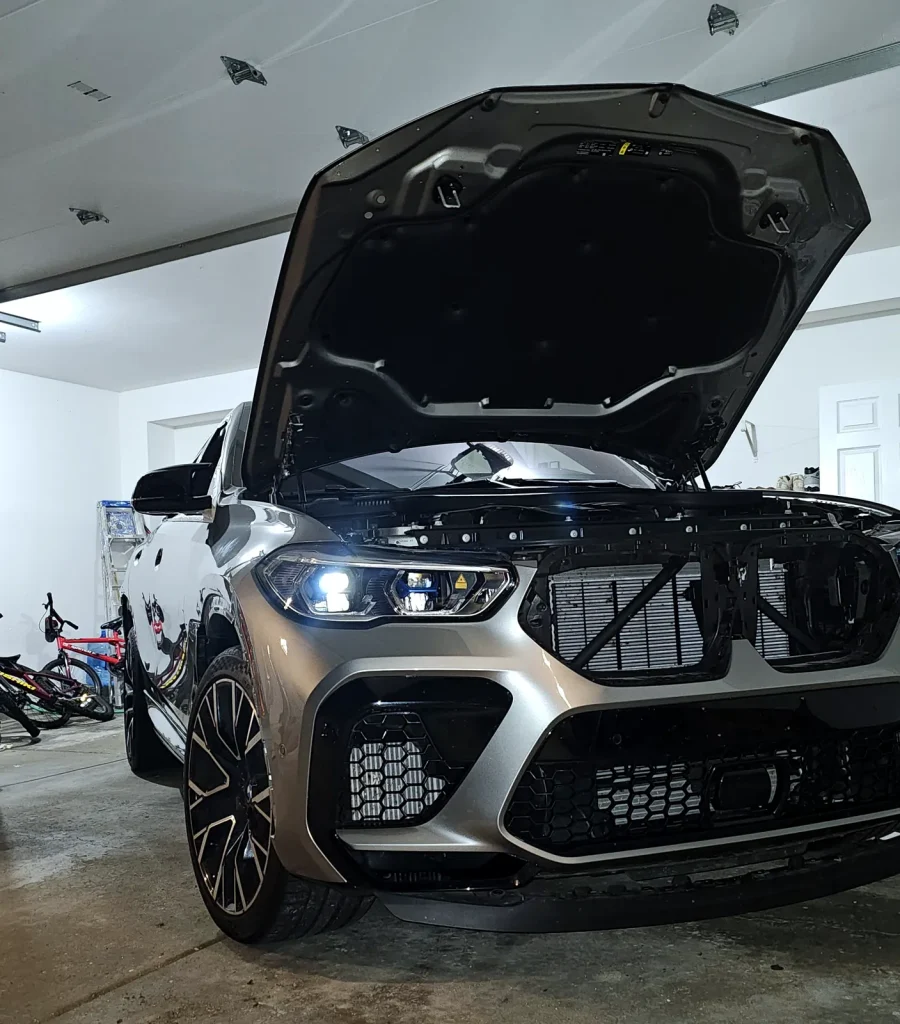
Why European cars need a specialist eye
Every brand has its known issues — from cooling system components to suspension bushings and oil leaks. A technician who works on these cars every day knows where to look and how to read what they find. That’s why we specialize in European vehicles while welcoming all makes and models.
How the results help you
- Walk away from a car with serious problems.
- Negotiate using a clear list of what needs attention.
- Plan ahead for maintenance you’ll want to do soon after buying.
How to set one up
Call the shop with the year, make and model and where the car is located. Ask the seller to allow the inspection — a confident seller will usually agree. Learn more about inspections, maintenance and repairs on our auto repair page.
Your pre-purchase inspection checklist
A pre-purchase inspection is most useful when you prepare a little before the car arrives. These steps help you get the most from it.
- Ask the seller for records. Service history, receipts and any warranty paperwork help us understand how the car was maintained.
- Check for open recalls. You can look up a vehicle by VIN on the NHTSA recalls page before the inspection.
- Arrange the timing with the seller. A cold start tells us more than an engine that has already been warmed up.
- Write down your questions. Noises, warning lights or anything that felt off on the test drive are worth mentioning.
- Plan for the results. Decide in advance what kind of findings would change your offer or end the deal.
European vehicles often have model-specific weak points, from cooling systems and oil leaks to suspension wear and electronic faults. A pre-purchase inspection from a shop that works on BMW, Mercedes-Benz, Audi and Porsche regularly helps you spot those issues before you sign.
After the inspection, we walk you through what we found in plain language — what is urgent, what can wait and what is normal for the car’s age and mileage. That makes negotiating easier and helps you budget for upcoming maintenance.
Even if the car looks perfect, a pre-purchase inspection is a small step that can save you from expensive surprises later.
Timing matters too. Try to schedule the pre-purchase inspection before you commit to a deposit, and allow enough time for the car to be looked over properly. If the seller is reluctant to allow an independent inspection, treat that as useful information in itself.
We look at the car the way a long-term owner would. Beyond the engine and transmission, we check brakes, tires, suspension bushings, leaks, warning codes and signs of past body repair. Our goal is not to talk you out of a car, but to make sure you know exactly what you are buying and what it will need over the next year or two.
Already own your car? Ask about our free multi-point inspection next time you’re in.