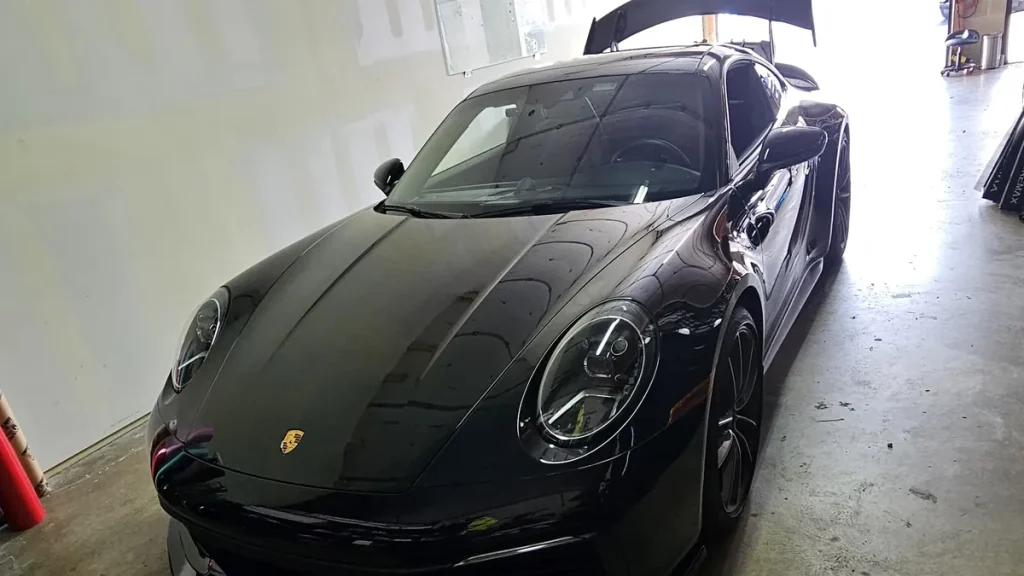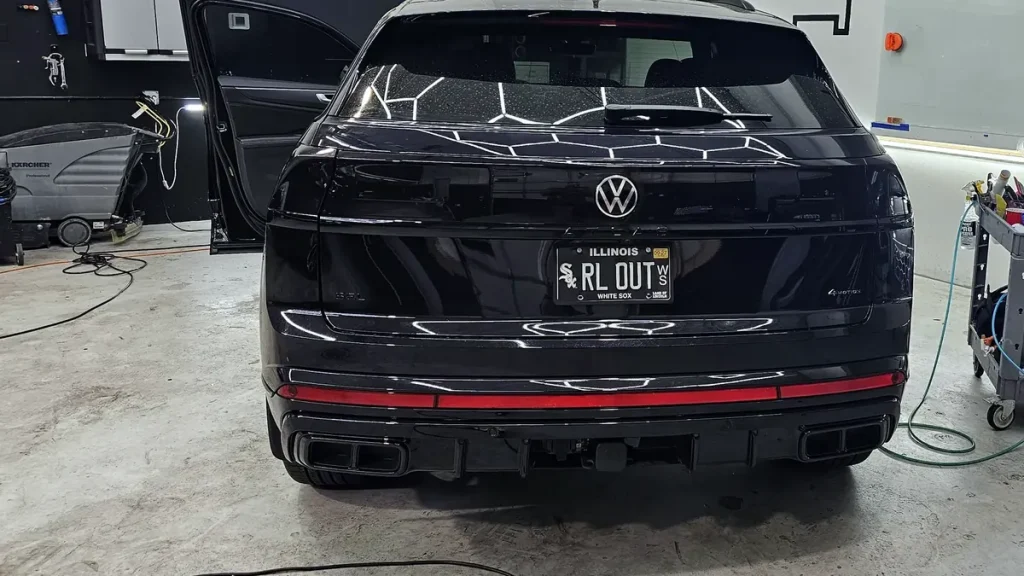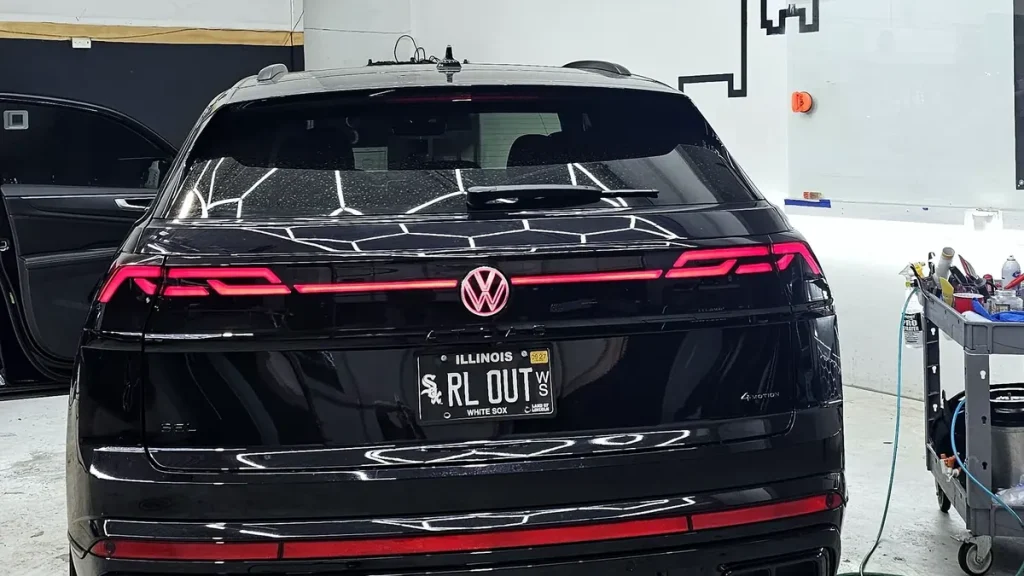

“Self-healing” is one of the most talked-about features of modern paint protection film. Here’s what self-healing PPF really does, and where its limits are.
Key takeaways
- The top coat can let light swirls and marks fade with heat.
- It does not repair deep cuts, gouges or damage that reaches the film’s lower layers.
- The film still protects the paint underneath — that’s its main job.
How self-healing PPF works
Many films have an elastic top coat. When it’s lightly marked — by a wash mitt, a fingernail near a door handle or a brush against a hedge — warmth lets the surface relax back to smooth. Sunshine, warm water or a warm garage can be enough.
What it fixes
- Light wash swirls
- Fine scratches from keys, bags and rings
- Minor scuffs near door handles and trunk lips
What it doesn’t fix
- Deep cuts that go through the top coat
- Rock-chip impacts that tear the film
- Damage from improper removal or harsh chemicals
Even when the film itself is damaged, it has done its job if the paint underneath is untouched — damaged sections can be replaced.
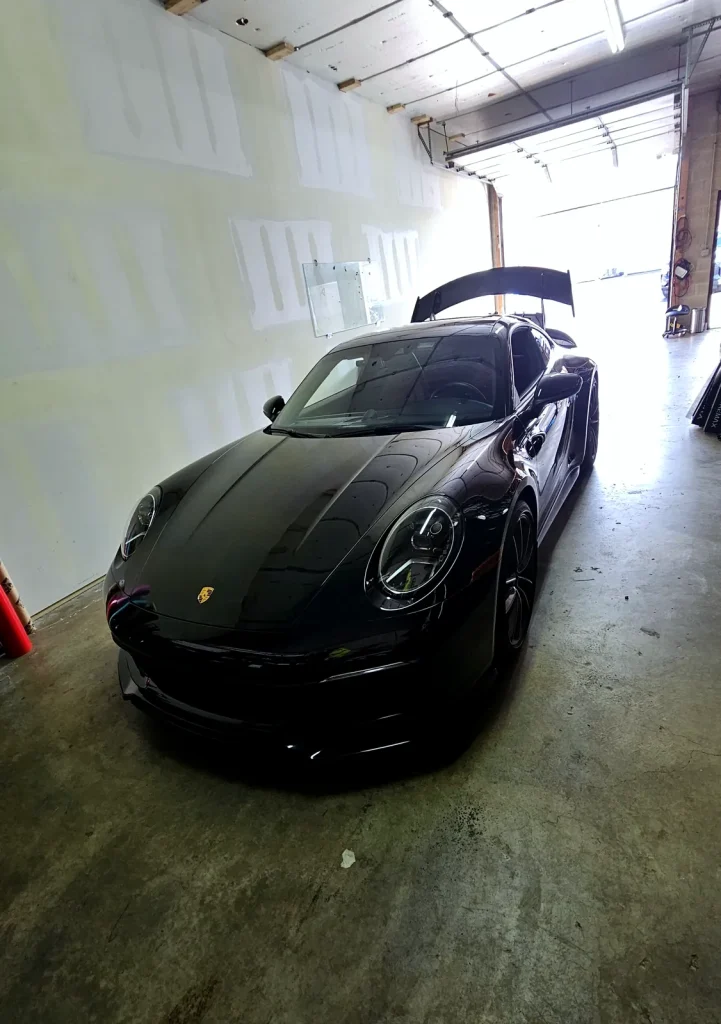
Helping your film heal
- Wash gently and avoid abrasive products.
- Park in the sun or use warm water to help light marks fade.
- Have deeper damage looked at rather than polishing it.
Is self-healing PPF right for your car?
Self-healing PPF is a great fit for many drivers, but it helps to know what to expect before you decide.
- Daily drivers: light swirls from washing, car-wash brushes and everyday contact fade with warmth, so the front end keeps looking clean.
- Dark paint: black and other dark colors show marks easily, which makes self-healing PPF especially useful.
- Performance and luxury cars: front bumpers and hoods take constant abuse from stones on the highway.
- Leased or newer cars: protecting the original paint helps the car look its best when it is returned or sold.
What self-healing PPF will not do is make a car indestructible. Deep gouges, curb damage and impacts that cut through the film still need attention. The film takes the hit instead of the paint, though, and a damaged section can be replaced without repainting.
Film quality makes a real difference in clarity, stain resistance and how well the top coat recovers. We source film through suppliers like Fellers and install it by hand in our La Grange shop.
If you are unsure how much of the car to cover, start with the front end and mirrors, then decide later whether to add more panels.
Caring for self-healing PPF
Self-healing PPF is easy to live with. Wash it like paint, using a pH-neutral shampoo and soft microfiber, and keep pressure-washer tips well back from film edges. Warm water or a sunny day helps light marks recover. Avoid abrasive polishes, harsh solvents and automatic brush washes. Adding a ceramic coating on top makes the film easier to clean and adds extra gloss. If an edge ever lifts or a section is damaged, bring the car in — damaged pieces can usually be replaced without touching the rest of the car.
Before you decide, look at film on a real car under shop lights and in daylight. Seeing how clear the film is and how cleanly the edges are wrapped is the easiest way to understand what self-healing PPF will look like on your own vehicle.
Choosing coverage? Read front-end or full-body PPF and see our paint protection film service.